Inspire – High potential and gifted education
Some students learn faster and more easily than others. These students may shine in creativity, thinking, leadership or sport.
At our school, we recognise and nurture these strengths early. We support advanced learners with great lessons and activities to help them grow and thrive.
Why choose us for your high potential or gifted child?

Recognising potential and developing talent
Our teachers find potential and nurture our students to be the best they can be.

Tailored lessons
Each student has different abilities. Teachers respond to each student’s ability by providing extra challenges and extension activities to keep learning exciting and engaging.

Rich opportunities and activities
Students can take part in opportunities to develop their talent in the arts, sport, leadership and more.

Opening doors to wider experiences
Our students can participate in a wide range of state-wide opportunities that aim to extend and enrich student potential.
What is high potential and gifted education?
Inspire – High potential and gifted education (HPGE) is how our school supports students with advanced learning needs.
We do this through:
- effective teaching strategies like enrichment, extension and acceleration
- tailored support during lessons that stretch, challenge and inspire
- access to a wide range of opportunities both within and beyond our school.
Our high potential and gifted education opportunities
Our students engage with HPGE education in the classroom, in our school, and across NSW.
At Narrabri West Public School, we are dedicated to recognising and nurturing the unique talents of our high potential and gifted students. We seamlessly integrate high performance and gifted education into daily learning experiences, ensuring that every child’s strengths are developed across cognitive, creative, physical, and social-emotional domains. Our approach is inclusive and comprehensive, focusing on providing challenging, engaging, and supportive learning pathways that empower students to reach their full potential.
Teachers at Narrabri West Public School identify and respond to each student’s learning needs using evidence-informed teaching practices. Quality teaching is supported by embedded evidence-based approaches, including explicit instruction and assessment for learning strategies. We offer flexible learning pathways, including enrichment opportunities and extension tasks in all curriculum areas. These pathways are designed to inspire creativity, critical thinking, collaboration, and higher-order thinking skills.
We actively support development across academic, physical, creative, and social-emotional domains and value family insights as an essential part of the identification and support processes.
- Professional Learning for Teachers:
Our teachers engage in professional learning to support the diverse needs of all students, including our high potential and gifted learners. Teachers regularly participate in training and workshops focused on current gifted education research, differentiated instruction, and evidence-informed strategies to extend and nurture students' talents. - Identifying Learning Needs:
Teachers identify students' learning needs in the classroom and use evidence-informed teaching practices to challenge and extend students. Through observation, assessment, and data analysis, teachers determine individual strengths and areas for growth, then implement targeted activities and challenges suited to each student. - Supportive Classroom Environment:
Our supportive classroom environments promote a sense of belonging and encourage risk-taking, creativity, and collaboration. Classrooms are inclusive, welcoming spaces where all students feel safe to share ideas, explore new skills, and work together on problem-solving tasks. - Flexible Grouping and Leadership:
Groups remain flexible, students take lead roles, and feedback is strengths-based with clear goals and self-assessment. Groupings are adapted according to learning needs and interests, allowing students to lead projects or discussions, set their own learning targets, and reflect on their progress using positive, goal-focused feedback. - Differentiated Tasks:
We provide differentiated tasks that adjust pace, complexity, and higher-order thinking. Teachers design learning activities with varying levels of challenge to cater for different readiness levels, interests, and abilities, ensuring all students are engaged and stretched in their learning. - Formative Assessment:
Formative assessment is used to monitor growth and adapt learning. Progress is tracked through ongoing assessments such as quizzes, observations, and discussions, so teaching approaches and activities can be adjusted to best suit student development. - Explicit Teaching of Thinking Skills:
Explicit teaching focuses on critical thinking and problem-solving strategies. Lessons explicitly teach students how to analyse, reason, and solve problems using structured thinking processes applicable across all learning areas. - Student Leadership in Activities:
Students have opportunities to take on lead roles in physical demonstrations or team strategies. In practical activities and sports, students are encouraged to take responsibility as team leaders or demonstrators, building confidence and enhancing their communication and organisational skills. - Exploration and Self-Assessment:
Supportive learning environments enable exploration and self-assessment. Students are given space to inquire, experiment, and reflect on their own learning, helping them develop independence and resilience. - Strengths-Based Feedback and Goal Setting:
Feedback is strengths-based, and goal setting is encouraged. Teachers focus on what students do well, providing constructive feedback that helps them set meaningful, achievable goals for improvement. - Student Ownership of Learning:
Students set individual learning goals to challenge themselves and take ownership of their learning. With teacher guidance, students develop personalised goals, monitor their own progress, and celebrate their achievements, fostering motivation and self-management. - Classroom Leadership Opportunities:
We offer opportunities for leadership within the classroom. Students can take on leadership roles such as leading group work, mentoring peers, or supporting class projects, promoting responsibility and teamwork. - Peer Collaboration and Reflection:
Structured peer collaboration and reflection are integral parts of learning. Students engage in peer discussions, collaborative projects, and group reflection sessions, learning to communicate effectively and build social skills. - Safe and Encouraging Learning Spaces:
Safe learning environments encourage confidence, risk-taking, and perseverance. Classrooms are designed to be safe spaces where mistakes are viewed as learning opportunities, helping students become more resilient and willing to try new things. - Aurora College Opportunity Placement:
Students have access to Opportunity Class Placement through Aurora College online. High potential and gifted students are encouraged to apply for Opportunity Class placements, where they can participate in advanced learning programs delivered online by Aurora College, further extending their academic growth.
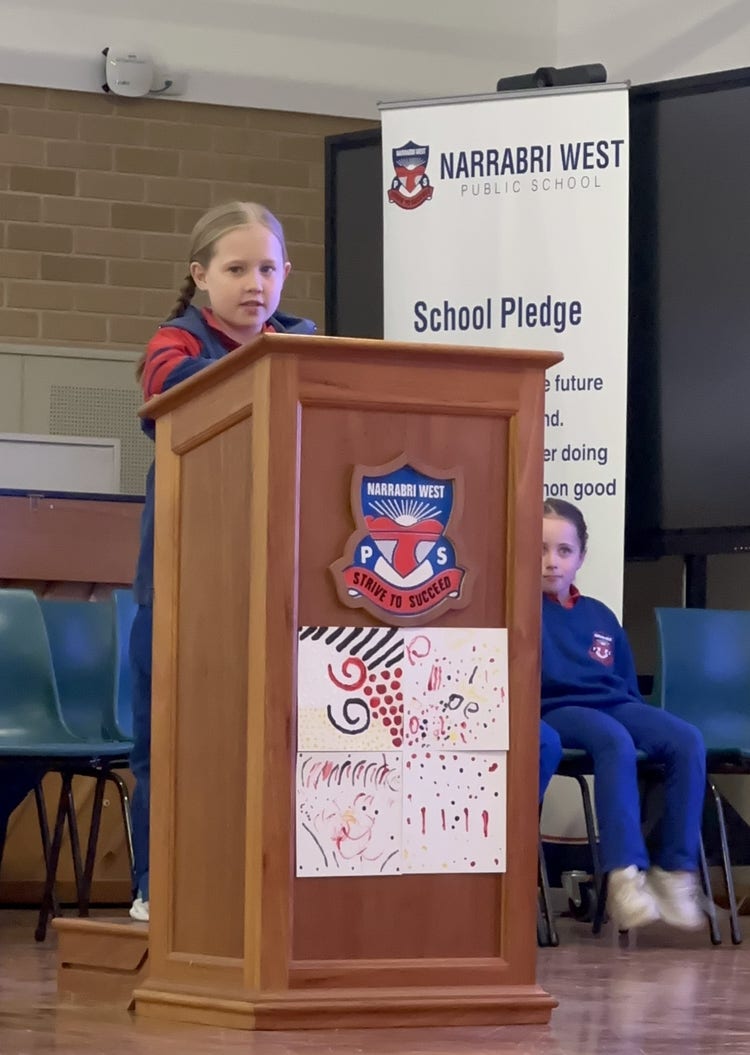
- Debating and Public Speaking
Our students participate in debating and public speaking activities that develop their communication skills, critical thinking, and confidence. Through structured debates and prepared speeches, students learn to formulate arguments, present ideas clearly, and engage respectfully with peers. - Technology, Spanish, Gardening, Lego, Art, and Dance Clubs
We offer a range of extracurricular clubs that cater to diverse interests. Technology club encourages digital literacy and creativity through coding and robotics projects. Spanish club supports language acquisition and cultural understanding. Gardening club teaches environmental stewardship and responsibility. Lego club fosters problem-solving and teamwork through building challenges. Art and dance clubs nurture creativity and self-expression in various media and styles. - School Dance Program
Our school dance program provides students with opportunities to learn different dance styles, improve coordination, and participate in performances. This program promotes physical fitness, artistic expression, and teamwork. - Academic Competitions
We encourage students to take part in local, regional, and national academic competitions across subjects such as mathematics, science, writing, and spelling. These competitions challenge students to apply their knowledge and skills beyond the classroom and inspire academic excellence. - Netball, Football, Soccer, and Rugby Clinics
Our sports clinics focus on skill development, teamwork, and sportsmanship in popular team sports. Experienced coaches provide specialised training that enhances students’ physical abilities, game strategies, and leadership on the field. - Student Leadership: School Representative Council, Sports Captains, and Library Monitors
Leadership roles are available for students to develop responsibility, decision-making skills, and community involvement. The School Representative Council allows students to voice opinions and organise events, sports captains lead and motivate teams, and library monitors assist in managing resources and promoting reading. - Choir, Concert Band, and Guitar Group
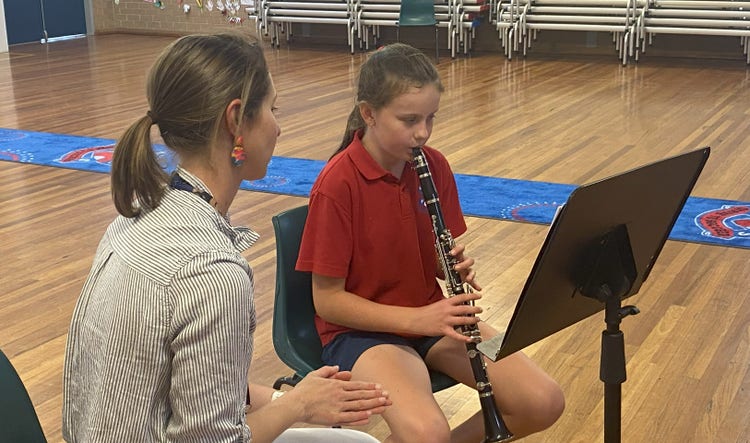
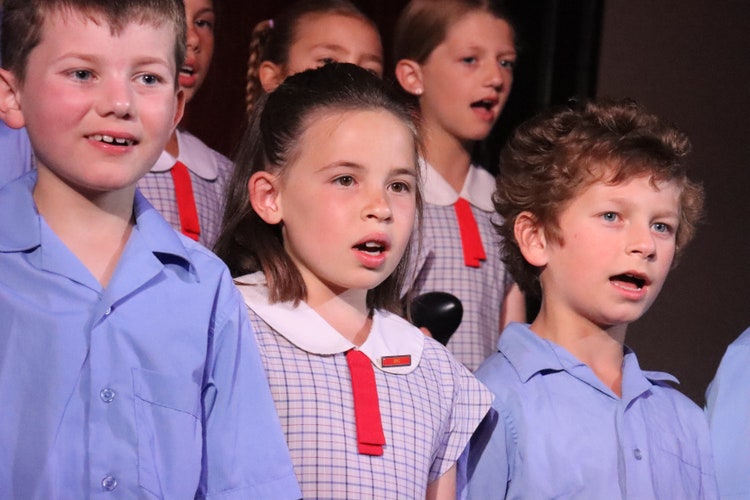
Our music ensembles offer students opportunities to learn, practice, and perform music collaboratively. Participation nurtures discipline, listening skills, and a sense of achievement through public performances and competitions. - School Musical, Speech, and Drama Performances
Through drama and musical theatre, students explore storytelling, creativity, and stagecraft. These activities build confidence, teamwork, and communication skills as students rehearse and perform for audiences. - Participation in Whole-School Inclusion and Wellbeing Initiatives
We actively involve students in programs promoting inclusion, mental health awareness, and positive wellbeing. These initiatives foster supportive, respectful environments and equip students with strategies for resilience and empathy. - Opportunities with External Agencies for Specialised Skill Development and After-School Training
Partnerships with external providers offer students access to specialised coaching and skill development in sports such as rugby league, softball, athletics, and tennis. These programs extend learning beyond regular school hours, enhancing performance and personal growth. - Peer Mentoring
Our peer mentoring program encourages older or more experienced students to support younger peers academically, socially, and emotionally. This fosters a positive school culture, builds leadership skills, and helps mentees navigate their learning journeys confidently.
- The Premier’s Debating Challenge:
Helps our students build logical arguments and gain confidence in public speaking. - The Premier’s Spelling Bee:
Promotes students’ vocabulary development and attention to detail in competitive settings. - STEM Enrichment Partnerships:
Collaborations with industry and universities deepen our students’ intellectual curiosity while developing innovation and collaboration skills. - The Premier’s Sporting Challenge (PSC):
Encourages whole-school participation in physical activity, offering leadership pathways and professional learning opportunities.




Help for your high potential child
If your child shows signs of high potential, contact us. We can share how our HPGE support can guide their learning journey.

Student opportunities and activities
Discover the opportunities our students have at our school.

Learning
Find out about our approach to learning and supporting students to progress.